2026 Honda HR-V : Honda’s trusty HR-V is back for 2026 with subtle tweaks that keep it punching above its weight in the cutthroat subcompact SUV world.
This isn’t a full redesign, but the updates make it feel sharper, especially if you’re shopping for an affordable family hauler that doesn’t skimp on space or smarts.
Exterior Refinements That Turn Heads
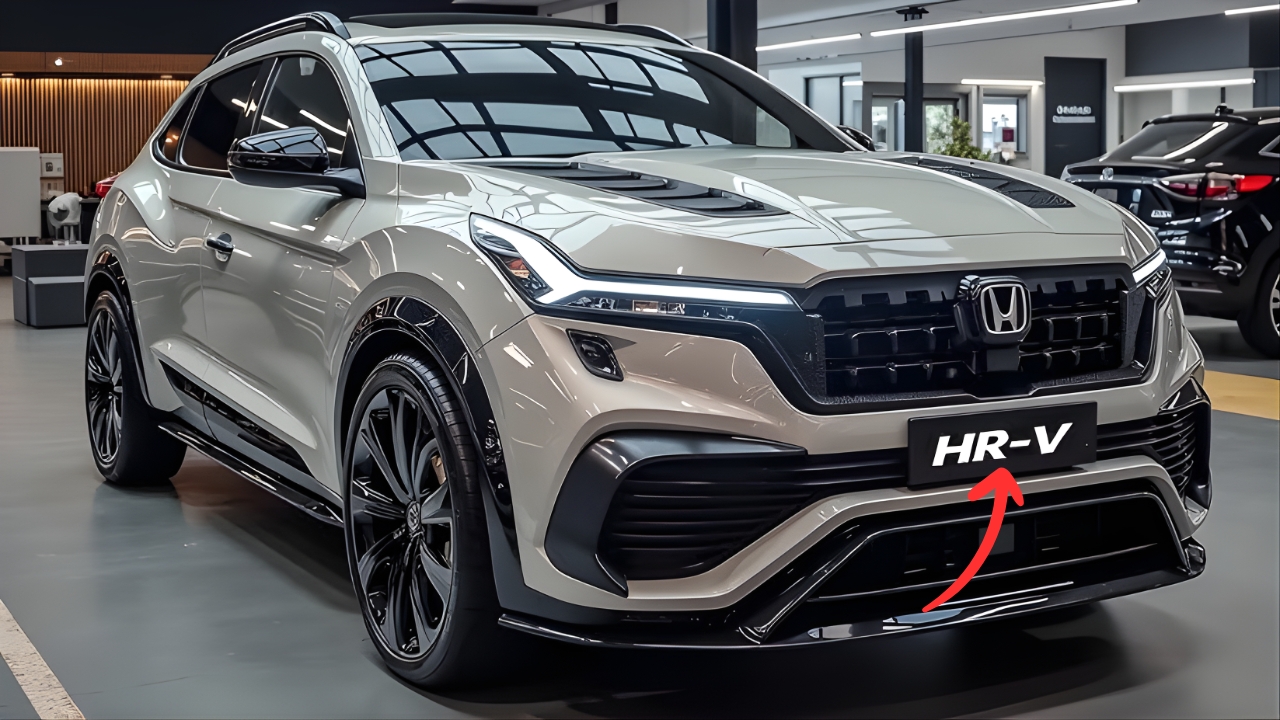
The 2026 HR-V sticks close to its 2023 roots, built on that roomy Civic platform, but Honda sprinkled in just enough freshening to notice.
Up front, the grille gets a gloss black finish on higher trims like the EX-L, with LED headlights standard across the board—daytime runners, turn signals, the works.
Reviewers on YouTube point out how the texture tweaks and new wheel designs elevate the look without overhauling everything; think 18-inch machine-finished alloys on the EX-L that fill out the wheel wells nicely.
Side profile stays practical at 179.8 inches long, with gloss black accents on wheel arches for that cohesive vibe, though some wish for more body-color pops instead.
Out back, full LED taillights shine bright, and the subtle spoiler adds a touch of flair.
New colors like Boost Blue Pearl pop on the Sport trim, making this HR-V feel less cookie-cutter than before. It’s not revolutionary, but in a segment full of lookalikes, these changes help it stand out at the dealership lot.
Powertrain: Steady Eddie, But Hybrid Dreams Linger
Under the hood, it’s the familiar 2.0-liter four-cylinder with 158 horsepower and 138 lb-ft of torque, mated to a CVT—front-wheel drive standard, Real Time AWD optional for about $1,500 extra.
Acceleration is leisurely, hitting 60 mph in around 9.3 seconds per one tester’s stopwatch, fine for errands but buzzy when pushed hard on highways.
Fuel economy clocks 26 city/32 highway for FWD (25/30 AWD), landing real-world around 26-29 mpg in mixed driving—decent, but rivals with hybrids smoke it.
YouTube drives rave about the responsive CVT simulation and how it feels peppier in daily use, especially with drive modes like Econ, Normal, or Snow.
No hybrid yet in the U.S., despite international versions boasting 200 hp and 40+ mpg—fans are begging for it to match the Corolla Cross Hybrid’s zip.
Still, the lack of turbo or electrification keeps it simple and reliable, with Honda’s rep for longevity shining through.
Interior Upgrades Boost Everyday Appeal
Step inside, and the 2026 refresh shines brightest: a 9-inch touchscreen now standard on every trim, with wireless Apple CarPlay and Android Auto for seamless phone mirroring.
The interface is bare-bones—no built-in nav or fancy apps—but it prioritizes your phone, and the wireless charger pad keeps things cable-free. Dual-zone climate on EX-L glows red for heat, blue for cool—a neat touch that screams thoughtful.
Materials impress for the class: soft-touch dash, leatherette on armrests and console (real leather seats on EX-L), and padded knee areas for comfort on long hauls.
The half-digital gauge cluster reconfigures nicely, and an 8-speaker system on top trims sounds solid, if not audiophile-grade.
Storage? Epic—14 donuts in the console, plus pass-through bins. Sunroof on Sport and up adds airiness, but no heated steering wheel stings in winter.
Space and Utility: Still the Segment’s Champ
Cargo rules here: 24.4 cubic feet behind the seats (55.1 max with 60/40 folds that go flat), beating most rivals like the Crosstrek or Corolla Cross.
Load floor is low at 27 inches, with a temporary spare under the floor—peace of mind flat-tire hunters love. Rear legroom at 37.7 inches is best-in-class; a 5’9″ reviewer had 8 inches knee space behind a 5’8″ driver.
Backseat is spacious but basic—no vents, USBs, recline, or armrest, even on EX-L. Bottles fit doors, headroom’s ample at 38 inches, but it’s commuter-friendly more than luxury lounge.
Honda Sensing safety suite (adaptive cruise, lane keep, auto braking) is standard and works smoothly, per snowy test drives. Overall, utility screams “family win” without excess frills.
On the Road: Fun Surprises in a Practical Package
Drive it like a commuter, and the HR-V delights—light steering, minimal body roll, and a compliant ride that soaks bumps despite 18-inch wheels.
AWD grips well in snow (with good tires), hill descent helps, and it’s quieter than expected at 56.8 dB highway cruising.
Brakes are confident, visibility top-notch, and it corners with Honda’s sporty DNA peeking through—no drama, just competence.
Fuel sipping holds up in real life, and resale? Honda tops charts at 64.8% after five years/60k miles. Drawbacks: engine buzz over 5k rpm, firm seats lacking lumbar, no power tailgate or 360 camera. Sport trim adds fake exhaust tips for flair.
2026 Honda HR-V Pricing and Who Should Buy One
Starting at $25,400 for LX FWD (up ~$300-400), Sport ~$27k, EX-L AWD like our tester hits $31,550 + $1,395 destination—$32,945 as-tested.
Value-packed with standard LEDs, big screen, and Sensing, but step up for leather/heated seats. Warranty: 3/36k basic, 5/60k powertrain, free maintenance year one.
Also Read This : Nissan Magnite – 5 seater premium SUV with all updated features at ₹10 Lakhs
Buy if you want max space/reliability on a budget—beats Venue/Seltos in room, holds value like a champ. Skip for hybrids (Corolla Cross) or off-road. Dealers compete via tools like CarConfections for best deals.
In the end, the 2026 HR-V proves Honda’s formula works: smart updates to a proven winner keep it relevant without reinventing the wheel.
It’s the sensible choice that surprises with fun, space, and staying power—perfect for first-time SUV buyers chasing value in 2026’s crowded market.