Bajaj Pulsar NS400 : The Bajaj Pulsar NS400Z has cemented its place as a game-changer in India’s motorcycle scene, blending raw power with everyday usability.
Launched back in 2024, this beast has evolved through updates, making it a top pick for riders craving thrill without breaking the bank.
Power That Punches Above Its Weight
Right from its debut, the NS400Z packs a 373cc liquid-cooled single-cylinder engine borrowed from the Dominar 400, but tuned for streetfighter aggression.
Initially delivering 40PS and 35Nm, the 2025 refresh bumped it to 43PS, hitting 0-60kmph in just 2.7 seconds and a top speed nudging 157kmph.
Real-world rides show it thrives in city chaos and highway sprints alike, with riders reporting 26-29kmpl mileage even after long hauls—impressive for a 400cc machine.
That forged piston upgrade smooths out power delivery, while the sensor-less quickshifter—first in its class—lets you flick gears without clutching, all at a fraction of premium rivals’ costs.
It’s not just numbers; owners rave about its “pocket rocket” vibe post-update, handling corners with newfound grip from wider 150-section rear rubber and sintered brakes.
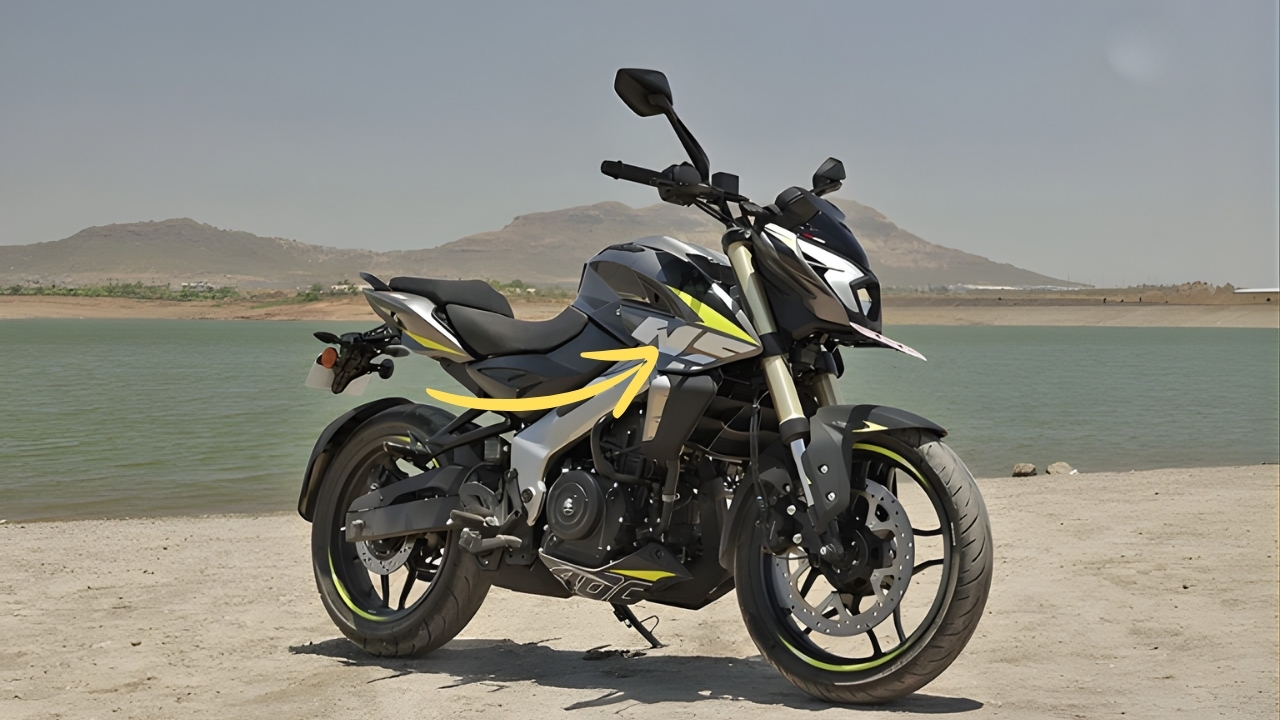
Tech Overload for Modern Riders
Bajaj didn’t skimp on gadgets, stuffing the NS400Z with segment-leading features. The bonded glass color LCD cluster connects via Bluetooth for turn-by-turn nav, music streaming, call alerts, and even a lap timer—perfect for track days or tracking your commute.
USD forks up front and a preload-adjustable monoshock keep things planted, paired with dual-channel ABS, switchable traction control, and four ride modes: Rain, Road, Off-Road, Sport.
LED everything—from bi-functional projector headlamps with Z-shaped DRLs to hazard lights—ensures you’re seen.
Add a USB charger and smart four-way switches, and it’s clear this Pulsar feels premium without the premium tag.
Recent user feedback highlights how the traction control shines in slippery conditions, making it forgiving for newer riders.
Design That Turns Heads
The NS400Z screams aggression with its muscular tank, chiselled side panels shared from the NS200 lineage, and that snarling wolf-eye headlight.
Underbelly exhaust keeps it clean, while alloy wheels echo the N250’s sporty vibe—no more retro spokes here.
In 2026 colors like Glossy Racing Red or Pearl Metallic White, it stands out in traffic, with a comfy seat for those 400km marathons that leave you energized, not exhausted.
Build quality holds up too—low maintenance, Apollo Alpha H1 tires for bite, and a perimeter frame that borrows Dominar stability. It’s no cafe racer, but mods turn it into one easily, as enthusiasts prove.
Also Read This : Tata Altroz Facelift 2026 – All new features hatchback with 6 airbags, mileage is 21kmpl
Price Hike? Still a Steal
Kicking off at Rs 1.85 lakh ex-showroom in 2024, the 2025 model climbed to Rs 1.92 lakh Delhi, and 2026 brought a minor Rs 1,100 nudge across Pulsars amid rising costs.
On-road in Punjab? Expect Rs 2.25-2.35 lakh, undercutting KTM 390 Duke, Triumph Speed 400, or Husqvarna Svartpilen by a wide margin.
For the features—quickshifter, ride modes, Bluetooth—you’re getting 80% of a Rs 3 lakh bike. Bajaj’s value game remains unmatched, especially post-43BHP tweak.
Bajaj Pulsar NS400 Rivals Beware, Pulsar Rules the Street
Stack it against the KTM 390 Duke: NS400Z offers similar grunt cheaper, with better touring comfort but edgier handling needs tuning.
Triumph Speed 400 feels posher but lacks the tech suite; Husqvarna’s hipster vibe can’t match the power-to-price ratio.
Owners call it a “segment killer”—reliable, fun, versatile for Amloh’s twisties or Punjab highways. As 2026 unfolds, whispers of further tweaks keep the buzz alive.
If you’re eyeing a 400cc entry, test-ride one; it hooks you fast. This isn’t just a bike; it’s Bajaj’s middle finger to imports, proving homegrown can dominate.