Honda WR-V : Honda’s WR-V has carved a loyal following in India’s sub-compact SUV segment with its urban agility and rugged charm.
As 2026 unfolds, fresh buzz around an updated model promises sharper looks, smarter tech, and that reliable Honda drive buyers crave.
Spy Shots Hint at Stylish Refresh
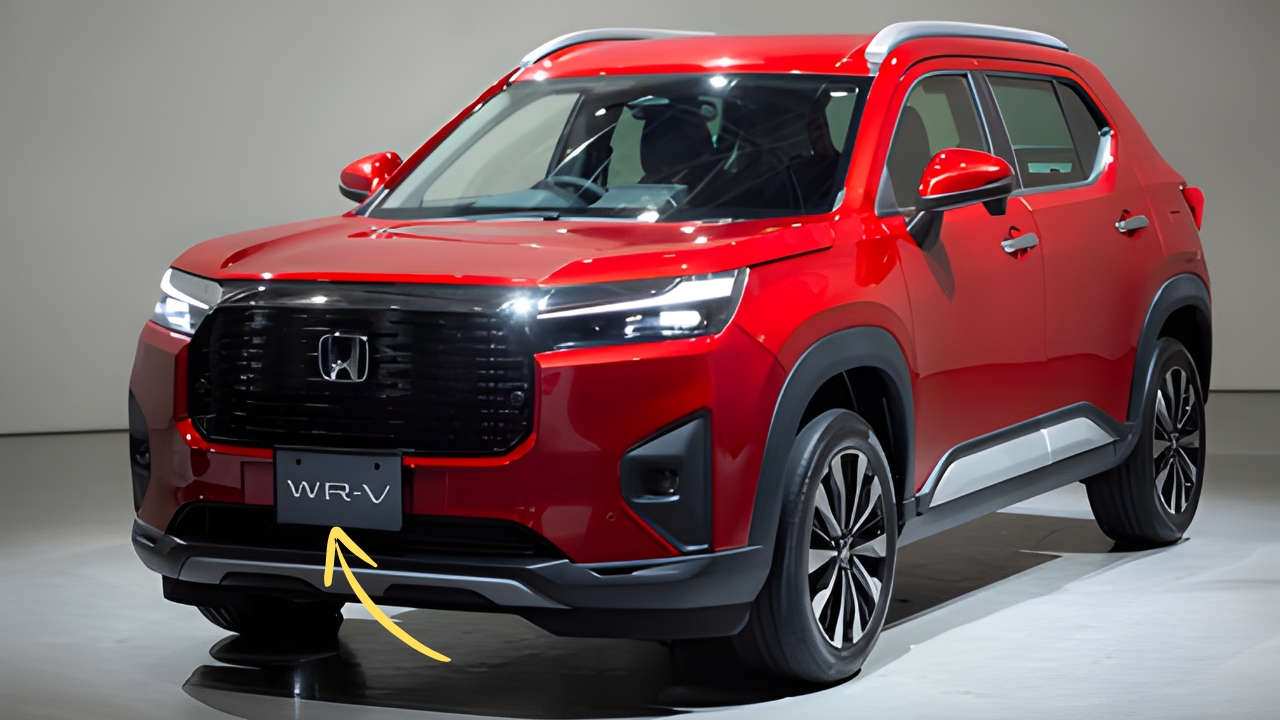
Recent test sightings on Indian roads show the next-gen WR-V ditching its boxy vibe for sleeker lines inspired by Honda’s global SUVs.
The front fascia sports slim LED headlights with C-shaped DRLs, a chunkier grille, and a skid plate that screams adventure-ready without overdoing it.
Side profile gets 16-inch alloys and blacked-out pillars for a floating roof effect, while the rear wraps up with connected LED taillights and a beefier bumper.
At around 4,060mm long with 207mm ground clearance, it slots perfectly between city hatchbacks and bigger SUVs like the Venue or Sonet.
Cabin Upgrades for Everyday Comfort
Step inside, and the WR-V feels more premium than its price tag suggests. A 9-inch touchscreen dominates the dash, supporting wireless Android Auto and Apple CarPlay for seamless streaming on commutes.
Dual-tone brown-and-black upholstery adds warmth, paired with a flat-bottom steering wheel for sporty grips.
Rear seats now offer better thigh support and a 60:40 split-fold for extra boot space—up to 380 liters expandable.
Features like auto AC, push-button start, and ambient lighting make it family-friendly, though the cabin plastics could use softer touches in top trims.
Punchy Engine with Efficient Twist
Power comes from a familiar 1.5-litre i-VTEC petrol churning 121PS and 145Nm, mated to a slick CVT for city sips around 16-18kmpl.
Manual fans get a 6-speed stick shift, while Honda Sensing suite adds adaptive cruise and lane-keep assist for highway peace of mind.
No diesel this time, but the petrol’s refinement shines—no turbo lag, just smooth revs up to 6,600rpm.
Ride quality balances pothole munching with stable cornering, thanks to MacPherson struts up front and torsion beam rear.
Safety Takes Center Stage
Honda doesn’t skimp on protection. Six airbags, ABS with EBD, and stability control come standard, with top variants adding a 360-camera and tyre pressure monitors.
Honda LaneWatch blind-spot cam and hill-hold assist round out the package for nervous new drivers.
In Global NCAP tests, expect a solid four-star rating like its predecessors, bolstered by stronger body shell and pedestrian-friendly bonnet. It’s the kind of reassuring kit that lets parents hand over keys without worry.
Pricing and Rival Face-Off
Slated for a March 2026 launch, the WR-V should start at Rs 9 lakh ex-showroom, climbing to Rs 13 lakh for loaded RS trims.
That pits it against Hyundai Venue, Kia Sonet, and Tata Nexon, where it shines on build quality and resale value.
Hyundai edges on features, Kia on style, but Honda’s bulletproof reliability and lower service costs win long-term loyalty. Waiting lists could stretch months post-launch, given the Amaze crossover’s hype.
Honda WR-V Real-World Buzz from Owners
Current WR-V folks swear by its low running costs—many clock 1 lakh km with just oil changes.
One Delhi driver shared how it tackled monsoon floods without a hiccup, praising the high clearance and sealed electronics. Updates like the bigger screen address common gripes about dated infotainment.
Also read this : Hero Lectro C5 – New stylish design electric cycle comes with 250km dhansu range
For urban millennials juggling work and weekend trips, it’s the sweet spot: fun to flick through traffic, spacious for gear, and sippy on fuel.
Honda’s WR-V refresh nails the sub-4m formula—tough enough for bad roads, plush for daily grinds. In a segment exploding with options, it stands out by staying true to Honda’s no-fuss ethos.
If you’re eyeing a first SUV under 15 lakhs, this one’s worth the wait; it’ll zip into showrooms and straight into hearts.