Tata Punch EV : Tata Motors is stirring up excitement in India’s electric vehicle scene with the upcoming Punch EV facelift.
Set to launch on February 20, 2026, this refreshed model promises subtle yet meaningful updates that could make it even more appealing to urban drivers looking for an affordable, stylish EV.
A Sharper Front Fascia Steals the Show
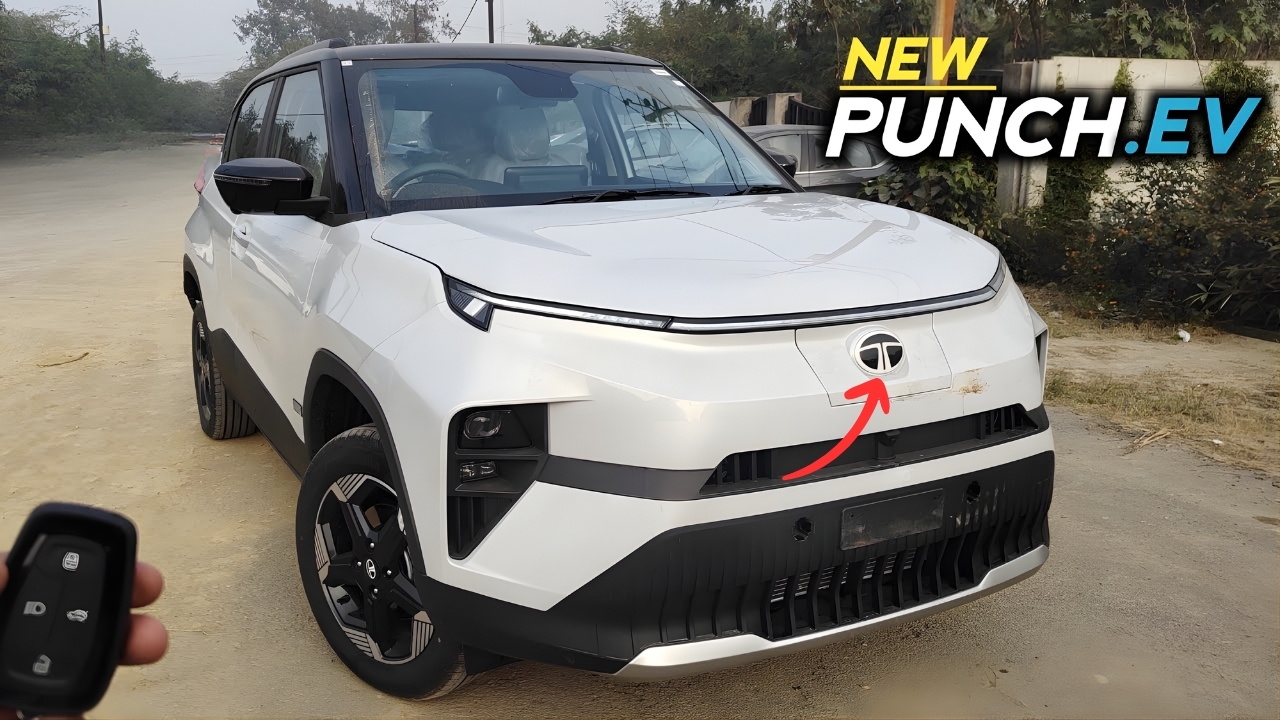
The 2026 Tata Punch EV turns heads right from the front with its redesigned bumper and cleaner grille area.
Gone is the black strip connecting the headlamps; instead, a full-width LED light bar joins the daytime running lamps, giving it a more premium, modern vibe.
That sealed-off grille sharpens the overall stance, while the lower bumper gets tweaks for better road presence, complete with a textured faux skid plate.
Tata has also introduced aero-optimized 16-inch alloy wheels with a glossy black finish, enhancing efficiency and style.
On the color front, a vibrant new shade reminiscent of the Harrier’s Sunlit Yellow pairs perfectly with a black roof, standing out amid the usual whites and silvers on Indian roads.
Though the rear remains under wraps, expect connected LED taillamps to match the petrol Punch’s design.
Inside Tech Upgrades Without the Overhaul
Step inside, and the cabin feels familiar but refreshed, borrowing cues from the ICE Punch facelift.
The dashboard layout stays minimalistic, but higher variants might swap the 10.25-inch touchscreen for a larger 12.3-inch unit lifted from the Nexon EV, running smoother software.
You’ll still find a 10.25-inch digital driver’s display, ventilated front seats for those hot Indian summers, wireless charging, ambient lighting, and a 360-degree camera.
Add in an auto-dimming IRVM and connected car tech, and daily drives become seamless.
Comfort touches like extended thigh support on seats and new upholstery options ensure longer trips aren’t a chore. It’s practical too, with a boot space holding 366 liters, ideal for city errands or weekend getaways.
Powertrain Proven Batteries with Real-World Punch
No major drama under the hood—the Punch EV sticks to its dual-battery setup.
The standard 25kWh pack delivers 315km MIDC range with 82hp and 114Nm, perfect for daily commutes, while the Long Range 35kWh version ups it to 421km, 122hp, and 190Nm.
Acceleration feels peppy: Long Range hits 0-100kph in under 9.5 seconds, standard in 13.5. Charging options include a 3.3kW wallbox, 7.2kW fast charger, and DC fast charging—10-80% in 56 minutes on a 50kW unit.
Drive modes (Eco, City, Sport), regenerative braking with four levels, and paddle shifters make it adaptable to traffic-clogged streets or open highways.
Both motor and battery are IP67-rated and backed by an eight-year/1.6 lakh km warranty.
Safety Building on a Strong Foundation
Tata doesn’t skimp on safety, and the facelift amps it up. Six airbags, ESC, hill hold assist, all-disc brakes, and an electronic parking brake with auto-hold come standard across variants.
Rumors swirl about Level 2 ADAS inclusion, adding adaptive cruise, lane keep assist, and more— a big win for highway safety.
The 360-camera and parking sensors make maneuvering in tight Indian parking lots a breeze.
Pricing and Rival Showdown
Expect prices to start around Rs 10.2 lakh ex-showroom, a slight bump from the current Rs 9.99-14.44 lakh range, keeping it accessible. Pre-bookings kick off soon, with deliveries right after launch.
It squares off mainly against the Citroen eC3 in the micro-SUV EV space, but eyes bigger fish like the MG Windsor EV or even the entry Nexon EV.
With Tata’s EV market lead, the Punch EV facelift eyes a bigger slice of the growing green pie.
Also Read This : Maruti Fronx – Premium design SUV with safety features, engine is powerful
Why Tata Punch EV It Matters for Indian Drivers
In a market shifting to EVs amid rising fuel costs and green mandates, the Punch EV facelift hits the sweet spot.
Compact for city life, rugged for occasional rough roads, and now sharper-looking—it’s Tata’s bet on everyday electrification.
Urban families will love the range for school runs, the features for tech-savvy teens, and low running costs (think 1-2 paisa per km).