Hyundai Santro 2026 : Whispers from Hyundai’s drawing boards suggest the iconic Santro is making a surprise comeback in 2026, retooled as a frugal urban warrior for India’s price-sensitive buyers.
Discontinued years ago, this tall-boy hatchback legend refuses to fade, promising fresh sheetmetal and smarter tech while keeping that unbeatable value under Rs 6 lakh.
Revamped Exterior with Modern Flair
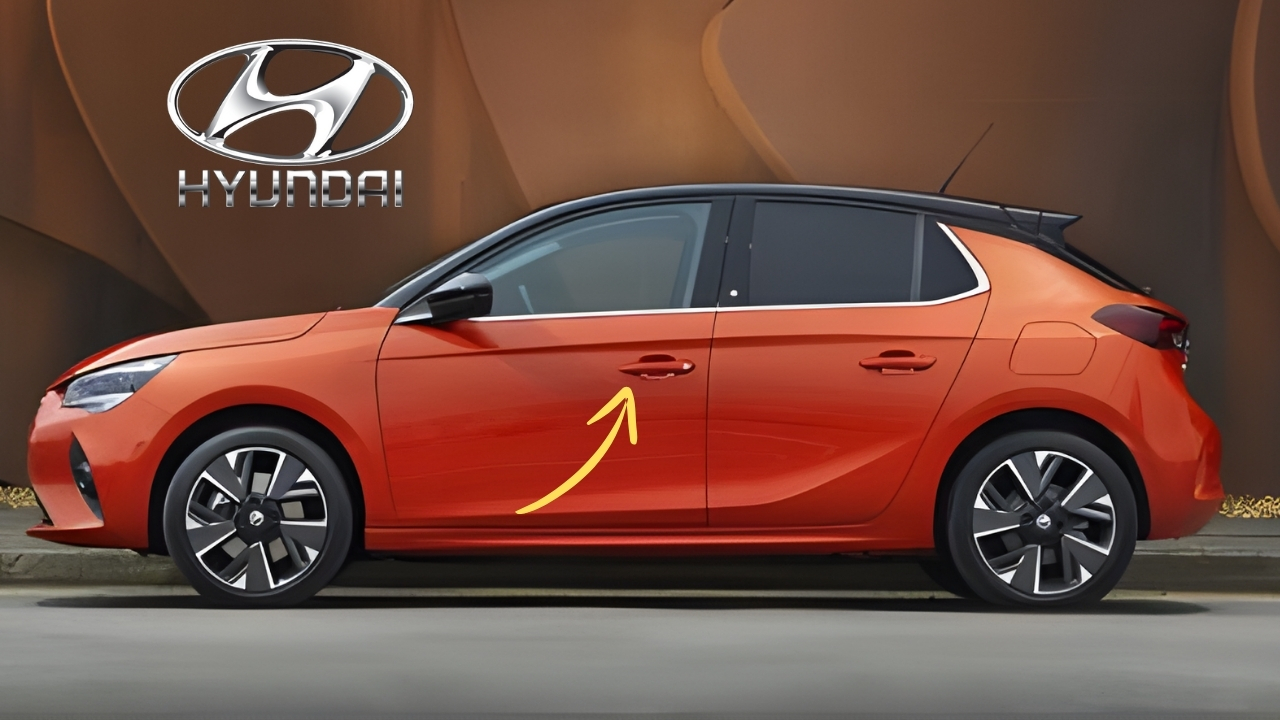
The 2026 Santro trades its quirky old proportions for sleeker lines that nod to Hyundai’s fluidic design language.
Up front, cascading grille bars sandwich slim LED headlights with integrated C-shaped DRLs, giving it a wider, more planted stance on a slightly stretched 3.62-meter body.
Flared wheel arches over 14-inch alloys and body-colored handles add youthful pep, while a rising beltline and roof spoiler hint at sportier dynamics.
Around back, wraparound taillamps connect via a glossy bar, framing a cleaner bumper with faux diffuser—compact at 1.65 meters wide but packing 165mm ground clearance for dodgy city streets and occasional rural jaunts.
Color options swell to eight, including dual-tone pops for the youth crowd.
Smart Cabin Packed with Essentials
Inside, practicality reigns supreme in a five-seater layout that maximizes every inch.
A floating 8-inch touchscreen anchors the dash, bringing wireless Android Auto, Apple CarPlay, and Bluelink connected car tech for remote AC starts and geo-fencing alerts.
Dual airbags, ABS with EBD, and a rear parking camera join the safety party, while a semi-digital driver’s display tracks fuel sipping habits.
Rear benches fold flat for 300-plus litre boot expansion, and cooled glovebox plus USB ports keep gadgets juiced on long school runs.
Fabric seats with adjustable headrests offer surprising comfort, and steering-mounted audio controls make commutes less tedious—all in a wipe-clean cabin ready for family chaos.
Efficient Engines for Everyday Heroes
Power comes from a refined 1.1-litre four-cylinder Kappa petrol, now making 70PS and 102Nm with dual-port injection for smoother revs and 22kmpl ARAI figures.
A five-speed manual keeps it engaging, while an AMT auto caters to traffic-weary drivers chasing 20kmpl real-world sips.
CNG variants return with factory kits, promising 30km/kg for fleet operators and green commuters, all backed by Hyundai’s widespread service network.
No turbos or hybrids here—this is pure, reliable workhorse motoring with idle stop-start tech to beat city fuel guzzlers. Expect 0-100kmph in a leisurely 14 seconds, prioritizing economy over thrills.
Safety and Reliability Get a Boost
Gone are the two-star NCAP days; the new Santro aims for four stars with six airbags optional, electronic stability control, hill-hold assist, and tyre pressure monitors across the board.
A 360-degree camera on mid-trims eases U-turns in tight bazaars, and reinforced chassis tweaks handle India’s brutal roads better.
Also Read This : Toyota Camry – Luxury design sedan with V6 powerful engine, price is just ₹47 Lakh
Hyundai’s SmartSense suite debuts in entry-level form—lane-watch alerts and high-beam assist—making it safer than most rivals twice the price.
Over 2.5 million original Santros on Indian roads prove the recipe works, with five-year warranties and 50,000km service intervals sealing the deal for budget buyers.
Hyundai Santro 2026 Pricing Edge in a Crowded Segment
Starting at Rs 4.79 lakh ex-showroom, it climbs to Rs 6.49 lakh for loaded CNG autos—slashing prices on Maruti Swift, Wagon R, or Tata Tiago without skimping on kit.
Base Era trim nabs essentials like power windows and AC, while Sportz adds alloys and infotainment.
Against Celerio or Tiago, Santro’s taller stance, proven reliability, and Hyundai badge shine for taxi drivers and first-car families.
Revival buzz stems from untapped A-segment demand, with Chennai plants ramping for 1 lakh units yearly.
Festive launches could spark waiting lists, blending nostalgia with 2026 relevance. If Hyundai nails the buzz-to-boulevard transition, the Santro isn’t just back—it’s redefining affordable fun on four wheels.