Hyundai Verna 2026 : The Hyundai Verna has always turned heads in India’s sedan scene, and the 2026 model amps up the drama with sharper tech and turbo punch without hiking the price too wildly.
It’s that sweet spot for young buyers dodging SUV fever—sporty looks, loaded features, and enough grunt to embarrass some crossovers on the highway. At a time when hatches rule cities, Verna reminds us sedans still have swagger.
Price Tags That Lure You In
Base EX trim starts at ₹10.79 lakh ex-showroom, a steal for what you get, stretching to ₹17.13 lakh for the SX Opt Turbo DCT DT top dog.
Mid-rung SX Turbo manuals hit ₹14.52 lakh, while IVT autos add about ₹1 lakh for lazy traffic days.
On-road in Delhi? Tack on 12% for taxes—think ₹12.5 lakh entry, EMI as low as ₹18k monthly via Hyundai finance.
Turbo variants steal the show at 20 kmpl ARAI, naturally aspirated NA models closer to 18.6. Waiting lists? One month standard, longer for loaded ones post-festive rush.
Rivals like Slavia or Civic demand more upfront, but Verna’s discounts—up to ₹25k cashback—keep it competitive.
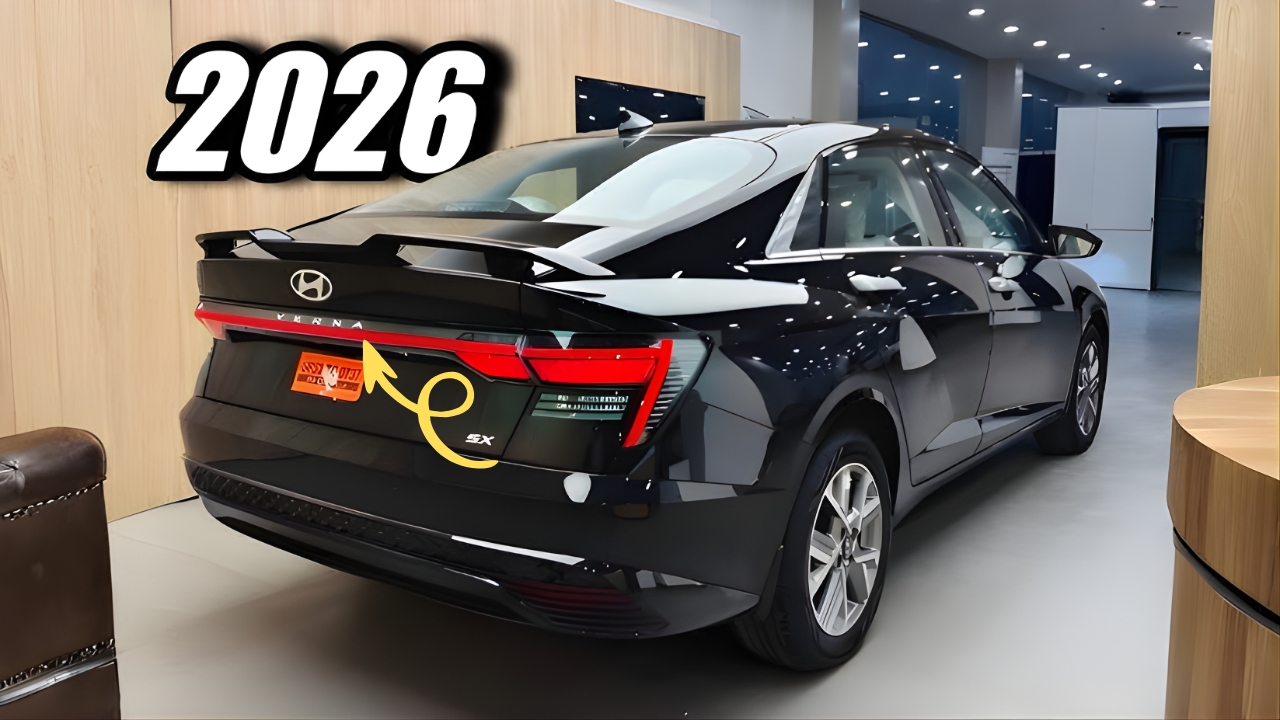
Styling That Screams Speed
Stretch limo vibes at 4535mm long, 1765mm wide, 1475mm tall—wheelbase 2670mm means rear legroom laughs at tall passengers.
Parametric Jewels grille glows with LEDs, creased hood, 16-inch alloys (17 on top). Sunroof standard from SX, twin spoiler tail, diffuser rear—parks like a coupe in Panipat malls.
IP68 water resistance? Nah, but solid build with six airbags everywhere. Dual-tone roofs in Abyss Black or Titan Grey pop; inside, quilted leatherette, ambient lights, 50:50 split rear.
Trunk? 528 litres, folds flat for gear runs. It’s no soft-roader, but 165mm clearance handles ramps fine.
Powerplants With Kick
Turbo 1.0 T-GDi (1482cc, 4-cyl) belts 157 bhp at 5500rpm, 253 Nm from 1500rpm—0-100 in 8.5 seconds, tops 210 kmph.
NA 1.5 MPI (1497cc) chills at 113 bhp/143 Nm for city sips. Six-speed manuals crisp, seven-speed DCT shifts like butter, IVT CVT smooth but droney revs.
Real-world? Turbo nets 13 city/18 highway at ₹100 fuel; NA better at 15/20. Ventilated discs all around, ESC, hill-start—handles twisties better than Creta siblings. Idle start-stop saves pennies in jams.
Tech Cabin: Feature Fiesta
10.25-inch touchscreen dominates, wireless Android Auto/Apple CarPlay, Bose 8-speaker thump. Dual 10.25-inch digital cluster/touch AC dazzle; voice “Hey Hyundai” dims lights or cranks AC.
Level 2 ADAS—adaptive cruise, lane keep, auto braking—tuned for our chaotic roads, blind-spot cameras project on cluster.
Powered seats (driver 8-way, passenger 8-way), ventilated fronts, air purifier, wireless charger. Rear vents, USB-C ports, paddle shifters on autos.
Gripes? Glossy plastics scratch easy, but blueLink connected car pings tire pressure remotely.
Also Read This : Skoda Superb 2026 – 2.0 liter turbo engine sedan with premium comfort sets, price is ₹45 Lakhs
Safety Net Without Compromise
Five-star Global NCAP: 16.1/17 adult, 16.2/21.6 child scores. Six airbags, TPMS, 360 camera, front/rear sensors, knee bag on top.
ADAS forward collision warning saves tailgaters; stability control shines wet roads. Hyundai’s rep means low service costs—₹5-7k per 10k km.
Panic button, SOS, valet mode add smarts. In crash tests, doors latch post-impact—peace for night drives.
Hyundai Verna 2026 Rivals and Verdict Call
Slavia edges diesel torque, Virtus raw power, but Verna owns ADAS-feature mix under ₹17 lakh. City commuters love turbo zip, families dig space. Minor niggles: DCT hunts in crawl, NA feels tame.
By 2026, whispers of hybrid Verna tease greener runs, but current turbo rules fun-per-rupee. Test drive: that flat torque hooks you mid-overtake.
For sedan lovers tired of boxes, Verna’s the sharp suit—stylish, sorted, seriously quick.