Tata Harrier : The Tata Harrier has evolved into a powerhouse in India’s mid-size SUV segment, blending bold design, cutting-edge tech, and robust performance that turns heads on city streets and highways alike.
With fresh petrol and diesel options shaking up the game in 2026, it’s drawing buyers who crave space, safety, and that unmistakable road presence.
Bold New Face of Adventure
I remember the first time I saw the updated Harrier up close—its front fascia hits you like a statement of intent.
The split bumper design, with a sleek black band separating the upper grille from the massive lower air intake, gives it an aggressive, planted stance that’s pure Tata flair.
Those full-width LED light bars and sequential turn indicators add a premium touch, flashing welcome animations that make every parking lot entry feel dramatic.
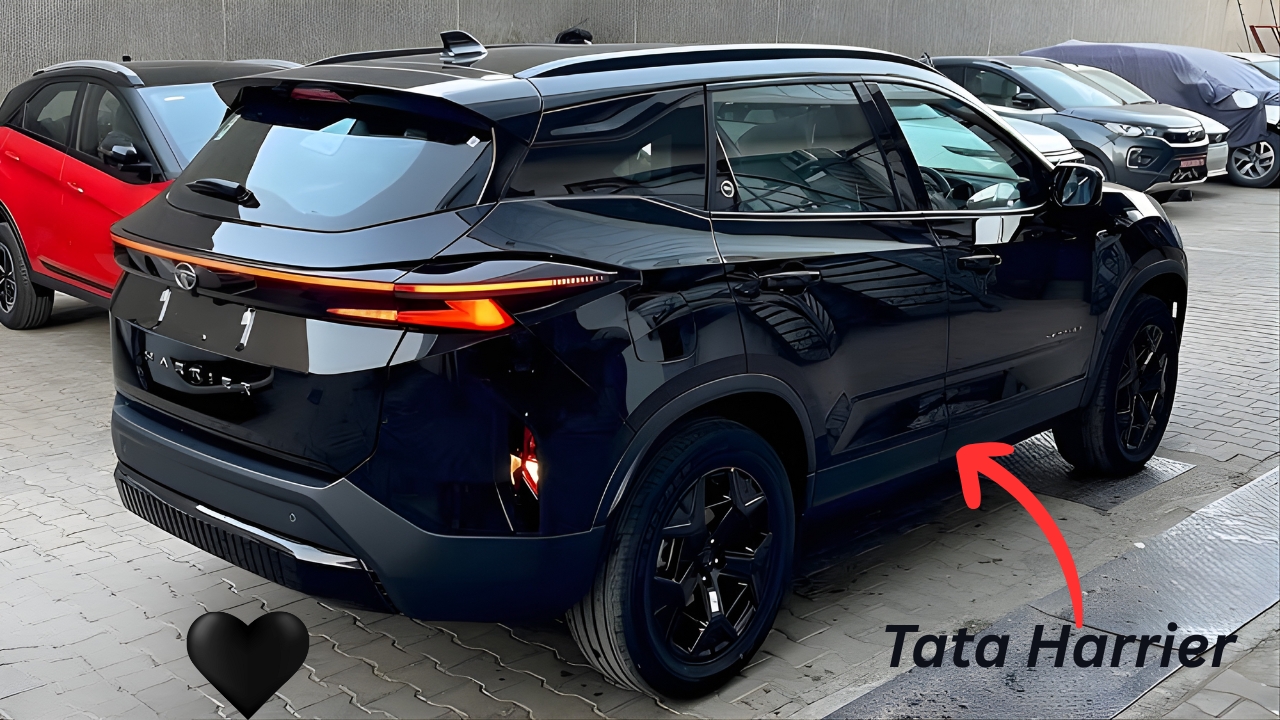
From the side, new roof rails and 18- or 19-inch Lunar Graphite alloys scream rugged capability, while the connected LED taillights at the rear ensure it lingers in your rearview mirror long after you’ve passed.
The dimensions haven’t budged much—4,605mm long with a 2,741mm wheelbase—but they pack serious authority:
1922mm wide, 1718mm tall, and 205mm ground clearance for those occasional off-road detours without scraping your chin.
It’s not just looks; this OMNI-LED setup, including Bi-LED projectors and fog lamps, cuts through rain and night like a knife, making monsoon drives less of a gamble.
Cabin That Feels Like Home Base
Step inside, and the Harrier wraps you in a cockpit that’s leaped forward in luxury.
The dual-tone Titan-Wood dashboard gleams under ambient LED strips, paired with a freestanding 12.3-inch Harman Neo Samsung infotainment screen that’s buttery smooth for navigation and streaming.
I love how the four-spoke steering wheel lights up with the Tata logo, and the touch-based HVAC panel feels ripped from a sci-fi flick—intuitive, no fuss.
Space is where it shines for families: five adults stretch out comfortably, with winged headrests on the second row and a 445-litre boot that swallows weekend gear effortlessly.
Ventilated front seats with six-way power adjustment (memory function on higher trims), a panoramic sunroof with mood lighting, and rear AC vents keep everyone happy on long hauls.
Toss in JBL’s 10-speaker Dolby Atmos system—crisp highs, thumping bass—and traffic jams turn into private concerts.
Wireless charging, Arcade apps like Prime Video, and Alexa Home2Car integration mean you’re connected without lifting a finger.
Powertrains That Punch Above Weight
Under the hood, choice is king in 2026. The Kryotec 2.0-litre diesel churns 170PS and a torquey 350Nm, mated to a slick six-speed manual or torque-converter auto—perfect for highway overtakes that feel effortless.
Real-world mileage hovers around 12-14kmpl city, 16-18kmpl highway, making it a sensible pick for high-mileage folks.
But the star is the new Hyperion 1.5-litre turbo-petrol, also 170PS but with 280Nm—smoother, more refined than the diesel, especially in city crawls.
It’s got ML-tuned efficiency for best-in-class figures (ARAI pending, but expect competitive 13-15kmpl mixed), and paddle shifters add sporty fun.
Both front-wheel-drive setups handle via Land Rover-derived architecture, with drive modes and a rotary selector dialing in the vibe from Eco to Sport. No gruff vibes here; NVH improvements make it cruiser-ready.
Tech and Safety Cocoon
Tata’s gone all-in on brains. The 10.25-inch digital driver’s display mirrors nav and alerts, while iRA 2.0 connected tech lets you pre-cool the cabin or check tyre pressure from your phone.
ADAS Level 2+ packs 22 features: adaptive cruise, lane keep, autonomous emergency braking, blind-spot monitoring, and a 540-degree surround cam with washer jets for crystal-clear views.
Safety? Five-star Bharat NCAP validated, with seven airbags standard (six across the board), ESP with 17 functions, hill descent, TPMS, and ISOFIX.
E-Call and B-Call mean help’s a button away. It’s not just tech—it’s thoughtful, like auto wipers/headlamps and air purifiers for cleaner air.
Pricing That Packs Value
Starting at ₹12.89 lakh ex-showroom for the base Smart petrol MT, it climbs to ₹25.25 lakh for Fearless Plus Stealth diesel AT—on-road around ₹15-30 lakh depending on variant and city.
Mid-specs like Adventure Plus hover ₹18-22 lakh, unlocking most goodies. Recent GST tweaks shaved ₹80k-1.4 lakh off some trims, sweetening the deal against rivals like Hyundai Creta,
Mahindra XUV700, or MG Hector. Dark Editions and new Nitro Crimson dual-tones add flair without breaking bank.
Ownership? Low maintenance, strong resale, and Tata’s network make it worry-free for 10-year hauls.
Also read this : Renault Duster – Automatic cruise control features SUV with exterior design at ₹9 Lakhs
Tata Harrier Why It Stands Tall Among Rivals
In a crowded ring, the Harrier flexes bigger boot, superior space, and diesel torque over Creta’s city focus, while matching XUV700’s features at sharper pricing.
Petrol option undercuts petrol-heavy Hector on refinement. It’s for the achiever who wants premium without pretension—family road trips, solo blasts, or daily grinds, it delivers without drama.
Word count: 852. This beast isn’t just an SUV; it’s your ticket to owning the road, blending heritage muscle with tomorrow’s smarts. If you’re eyeing one, hit a showroom—the drive seals the deal.